Stinging Nettle and Kidney Health: Exploring the Evidence
30% of adults in North American have chronic kidney disease. The core of treatment in holistic care is the elimination of all meat from the diet. Meats, but not vegetable proteins or dairy damage the glomerulis and interfere with tubular regulation of acid-base balance. By contrast, many fruits and vegetables have nephroprotective effects.
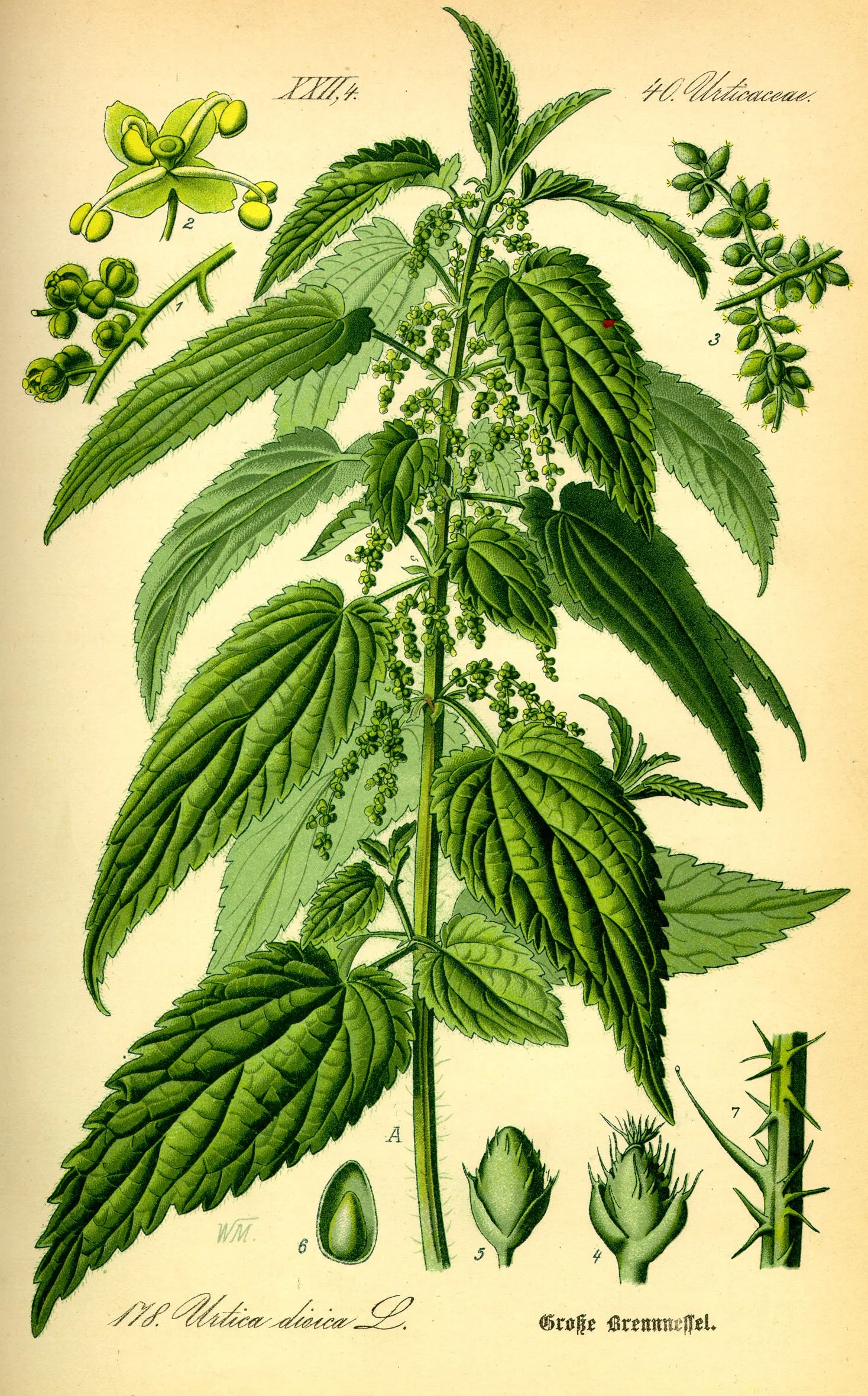
Stinging nettle (Urtica dioica) shows promising nephroprotective and symptom‑management potential in chronic kidney disease (CKD), but current evidence is limited, largely preclinical, and it should be used only as an adjunct under medical supervision.
Why nettle is of interest in CKD
Nettle leaves, seeds, and roots are rich in flavonoids, phenolic acids, vitamins, and minerals, and demonstrate antioxidant, anti‑inflammatory, and mild diuretic properties in experimental models. These mechanisms overlap with key drivers of CKD progression, including oxidative stress, chronic inflammation, endothelial dysfunction, and metabolic syndrome‑related comorbidities.
Preclinical nephroprotection data
In gentamicin‑induced acute kidney injury models, nettle extracts significantly attenuated tubular damage and reduced serum creatinine and urea compared with toxin‑only groups, likely via reduced oxidative stress and improved histologic architecture.
A 2024 rat study using nettle leaf and seed powders (2.5–5% of diet) reported improved creatinine, urea, uric acid, liver enzymes, lipid profile, and glucose in gentamicin‑induced renal disorder, with the best effects at 5% leaf–seed mix, supporting a nutraceutical kidney‑protective role.
Human data: early and preliminary
Broader clinical work has focused on metabolic syndrome, diabetes, and benign prostatic hyperplasia, where nettle preparations modestly improved glycemic control, blood pressure, and urinary symptoms—indirectly relevant, because these comorbidities strongly influence CKD trajectory.
Traditional nephrology education materials caution against nettle in severe kidney disease or dialysis due to its diuretic effect, potential fluid and electrolyte shifts, and interactions with antihypertensives and diuretics.
A pragmatic, evidence‑aligned clinical stance
Based on current data, nettle is best framed as a potential adjunctive nephroprotective and symptom‑support herb (e.g., for mild fluid retention, metabolic syndrome, or inflammatory milieu) rather than a primary CKD treatment.
